
Care for your skin.
Make room for confidence.
Living with vitiligo can change the way your skin looks—not what makes it beautiful. Discover an informed, gentle daily-care approach that puts comfort, hydration, and personal confidence first.
Here, we'll look at the science of visible white patches, practical skincare habits, and what to consider before choosing an herbal cream.

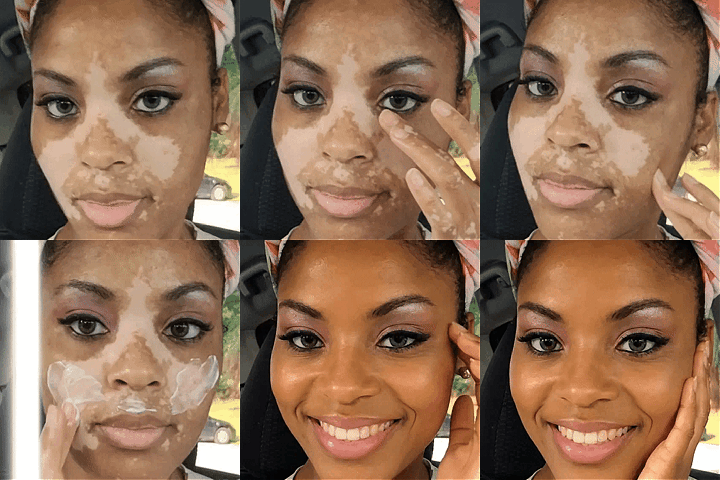
Different pigmentation. The same beautiful skin.
Vitiligo is a skin condition in which some areas lose pigment, producing lighter or white patches. These changes can appear on the face, hands, arms, neck, and elsewhere on the body.
Vitiligo is not contagious. Its appearance, distribution, and course can vary—so comparing your skin with someone else's results rarely tells the whole story.
Moisturizers may help skin feel more comfortable and hydrated. They should not be assumed to restore lost pigment, stop disease progression, or cure vitiligo.
Looking below the surface of uneven skin tone
Skin color depends on pigment called melanin. In vitiligo, affected areas have reduced or absent pigment, which can make the contrast with surrounding skin more noticeable.
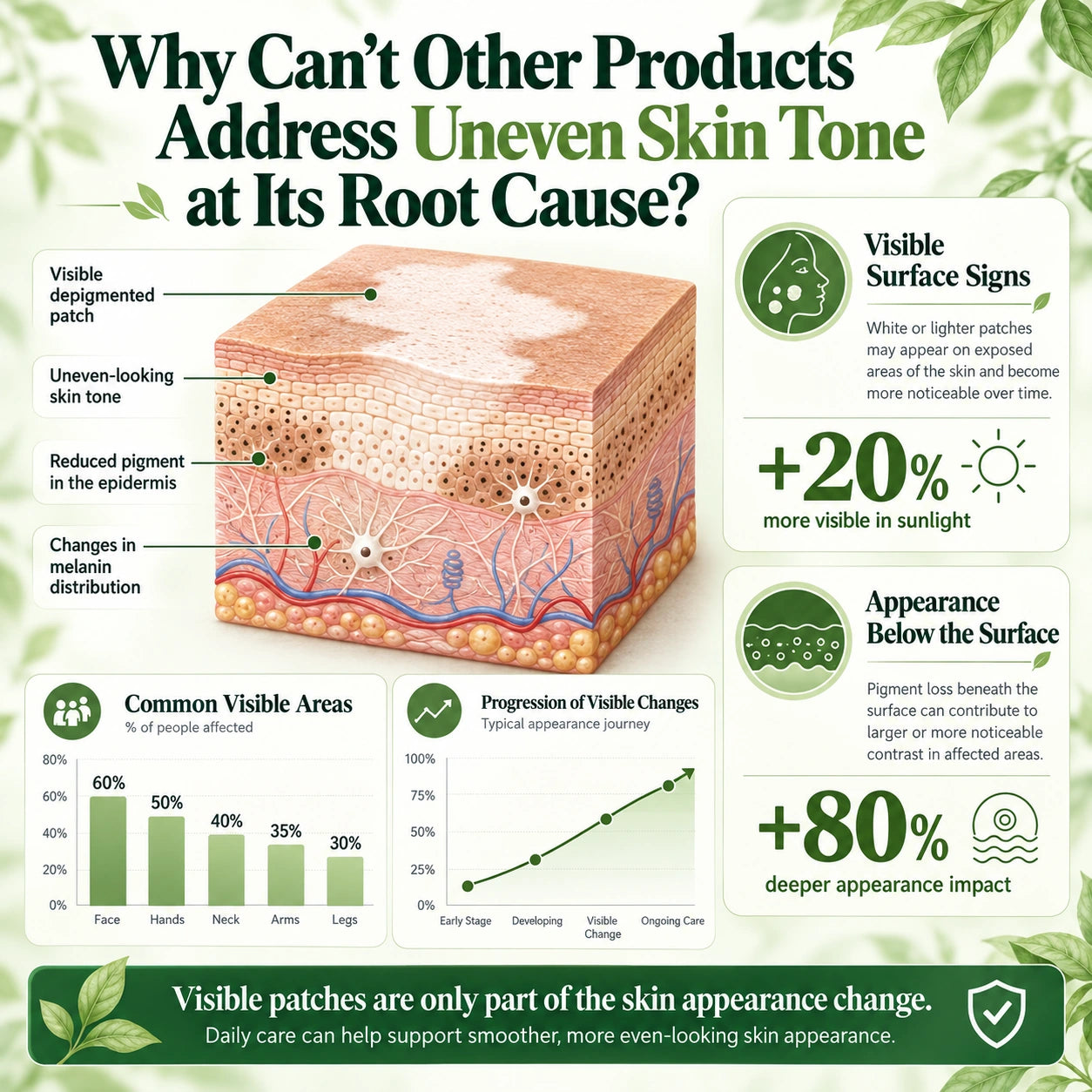
What matters most for your routine?
- Gentleness: Choose mild cleansing and avoid unnecessary friction or irritation.
- Moisture: Apply a suitable moisturizer to help skin feel soft and comfortable.
- Sun awareness: Depigmented skin can be more vulnerable to sunburn; consider broad-spectrum sun protection.
- Professional guidance: A dermatologist can discuss diagnosis, evidence-based treatment, and options for your skin.
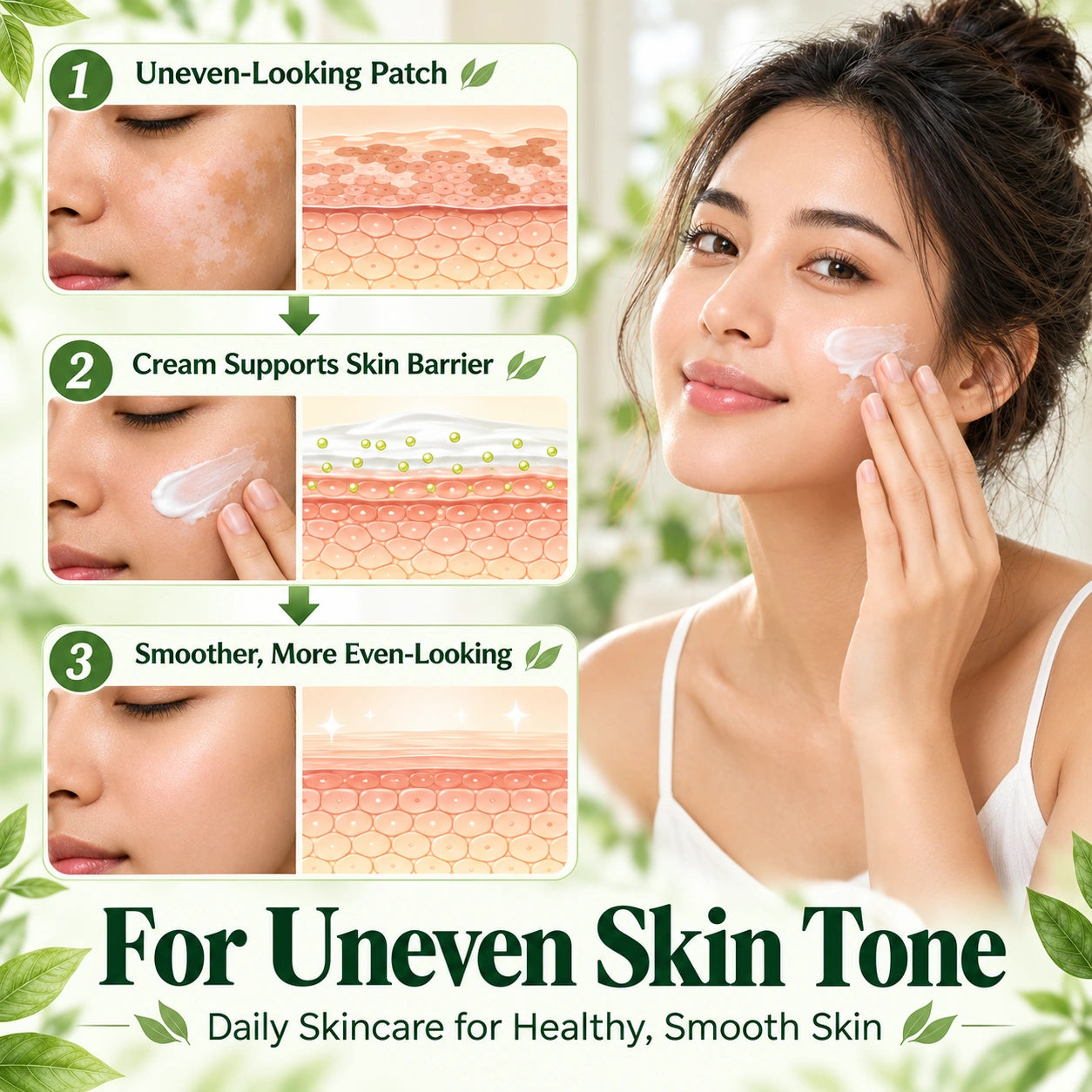
The illustration is a visual explanation of pigmentation, not diagnostic testing or evidence that a cosmetic cream changes melanin production.
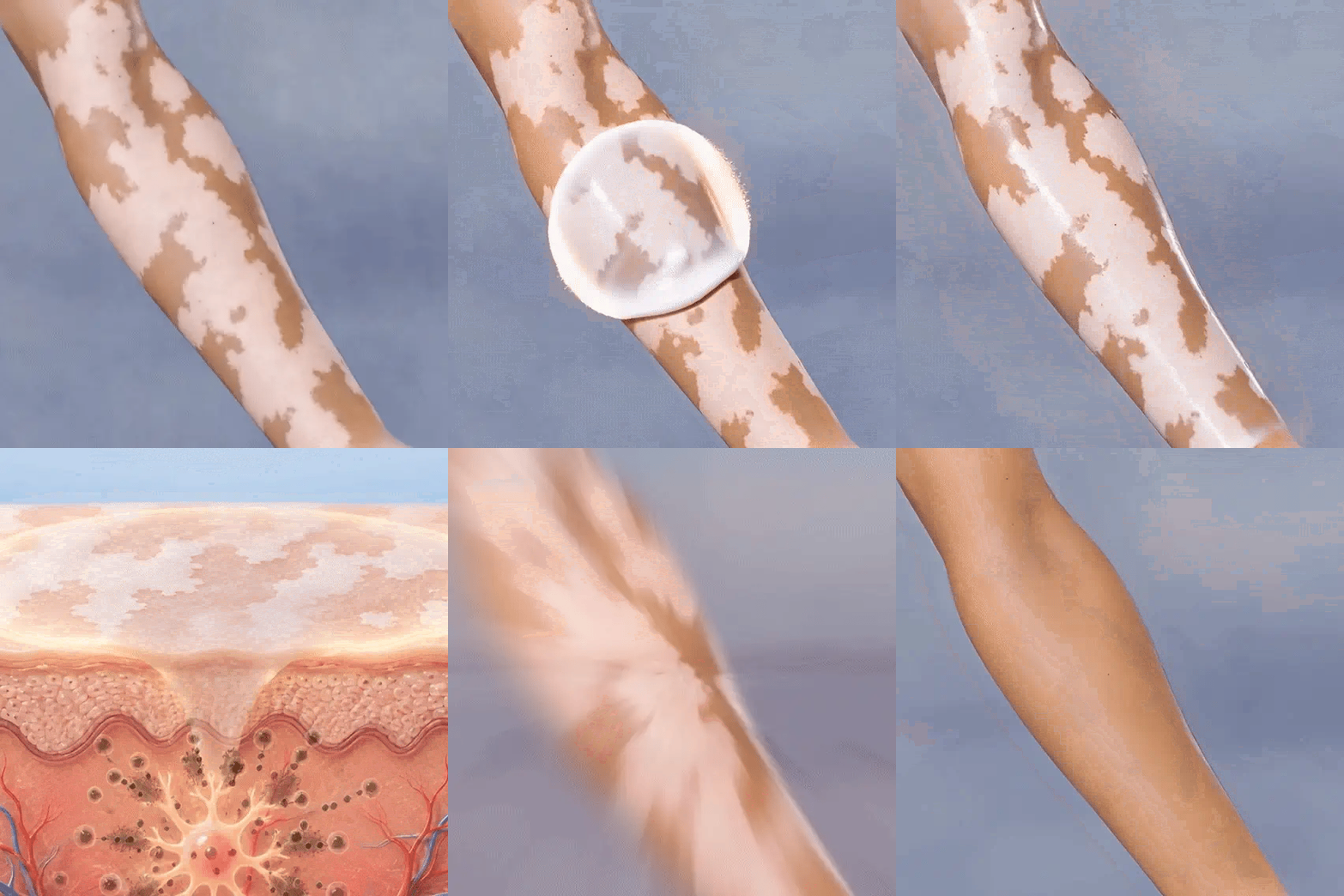
Visualize skin care—without confusing an animation with proof.
Give the areas you care about a little extra attention and consistency.
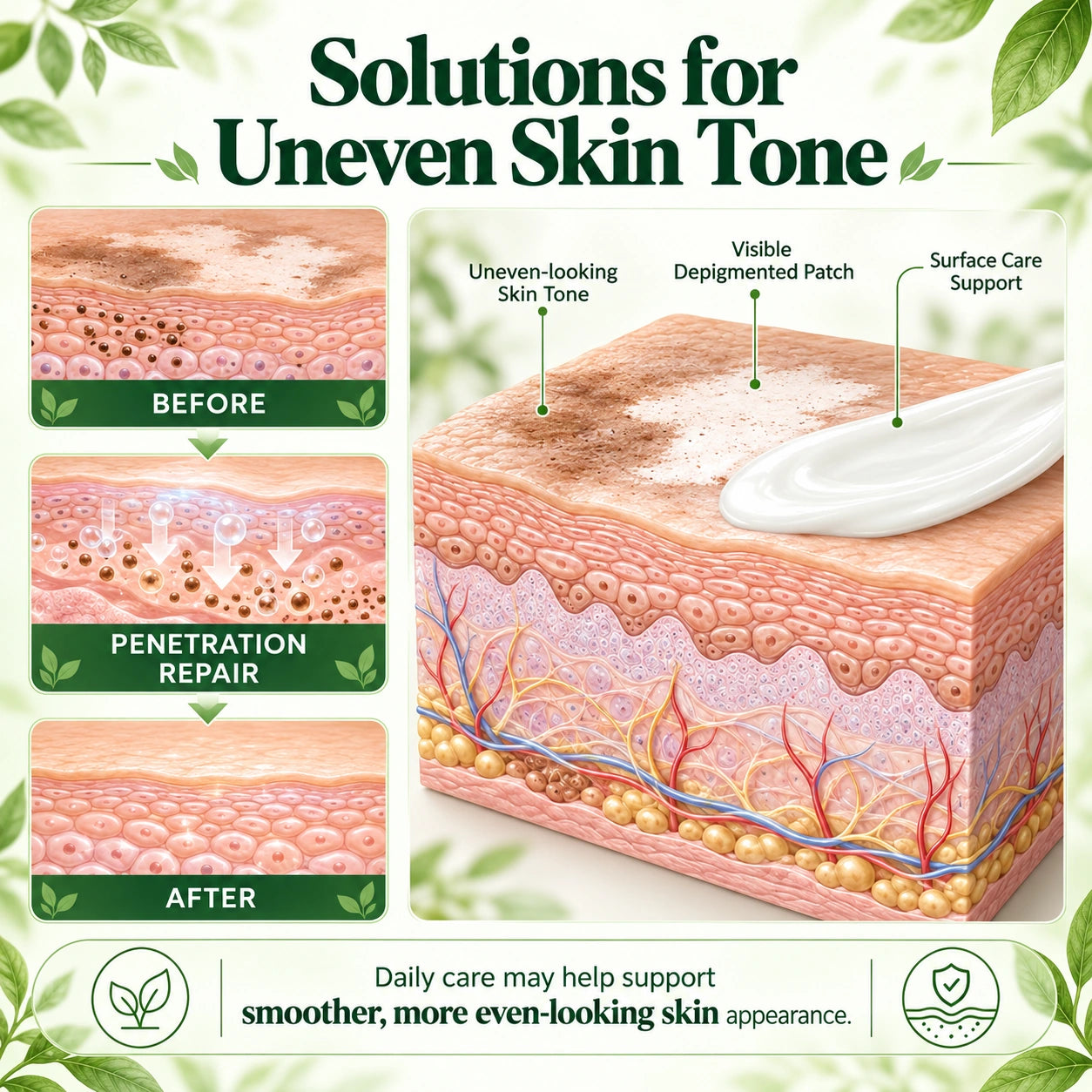
Start with a realistic goal: a comfortable skin-care routine.
Topical cosmetic care is most useful when expectations match the formula. A gentle cream can be part of a routine focused on moisturizing the skin, helping it feel smooth, and supporting day-to-day comfort.
Make daily skincare a simple step in preparing your skin for the day.
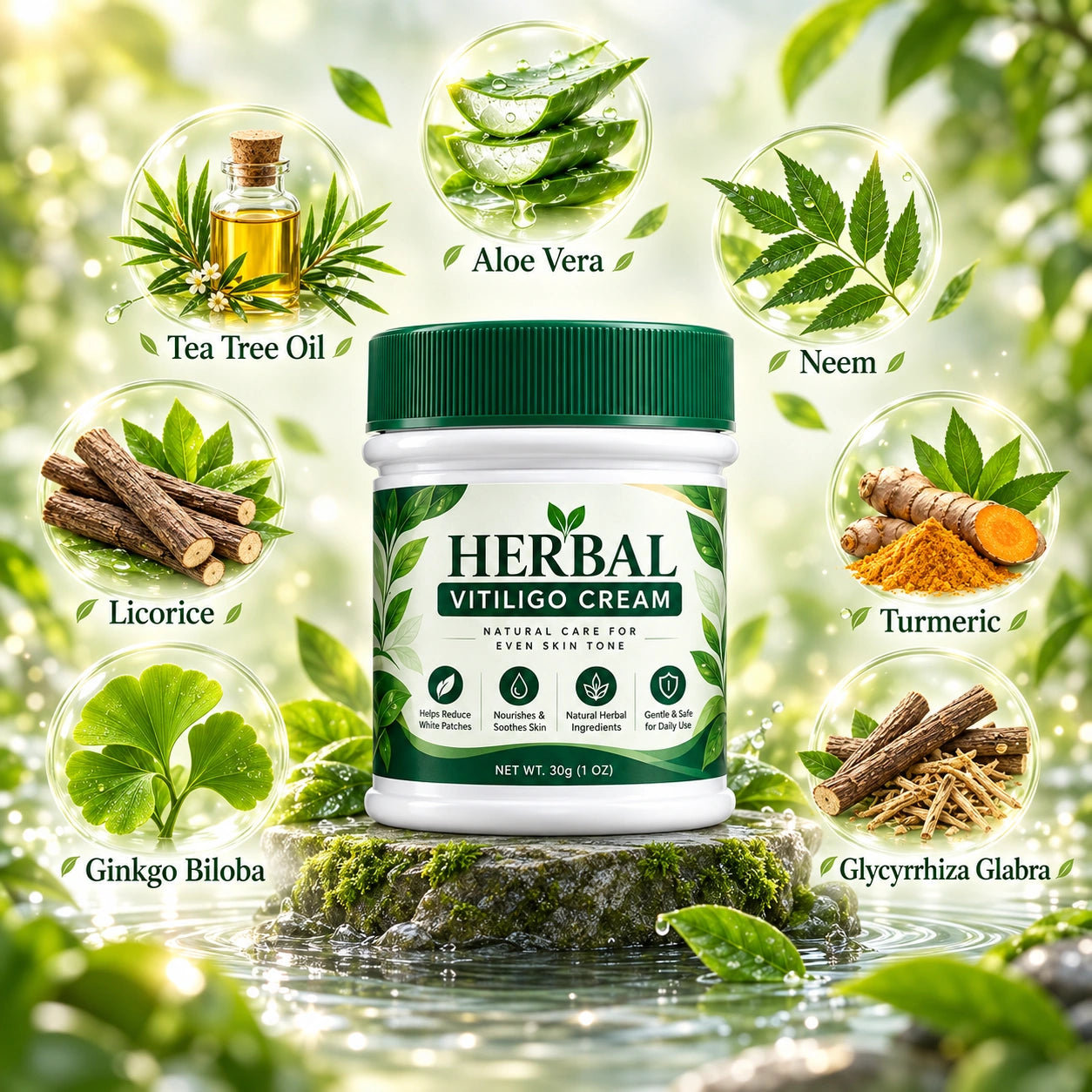
Inspired by botanicals. Guided by ingredient transparency.
Aloe Vera — Hydration and Barrier Support Tea Tree Oil — Refreshing and Clean-Skin Care Neem — Botanical Conditioning and Antioxidant Support Licorice — Tone-Balance and Antioxidant Care Turmeric — Antioxidant and Recovery Support Ginkgo Biloba — Advanced Botanical Support Glycyrrhiza Glabra — Soothing and Skin-Tone Support
- Check the full ingredient list on the actual packaging.
- Review fragrance and essential-oil ingredients if you're sensitive.
- Patch-test according to the label and stop if irritation develops.
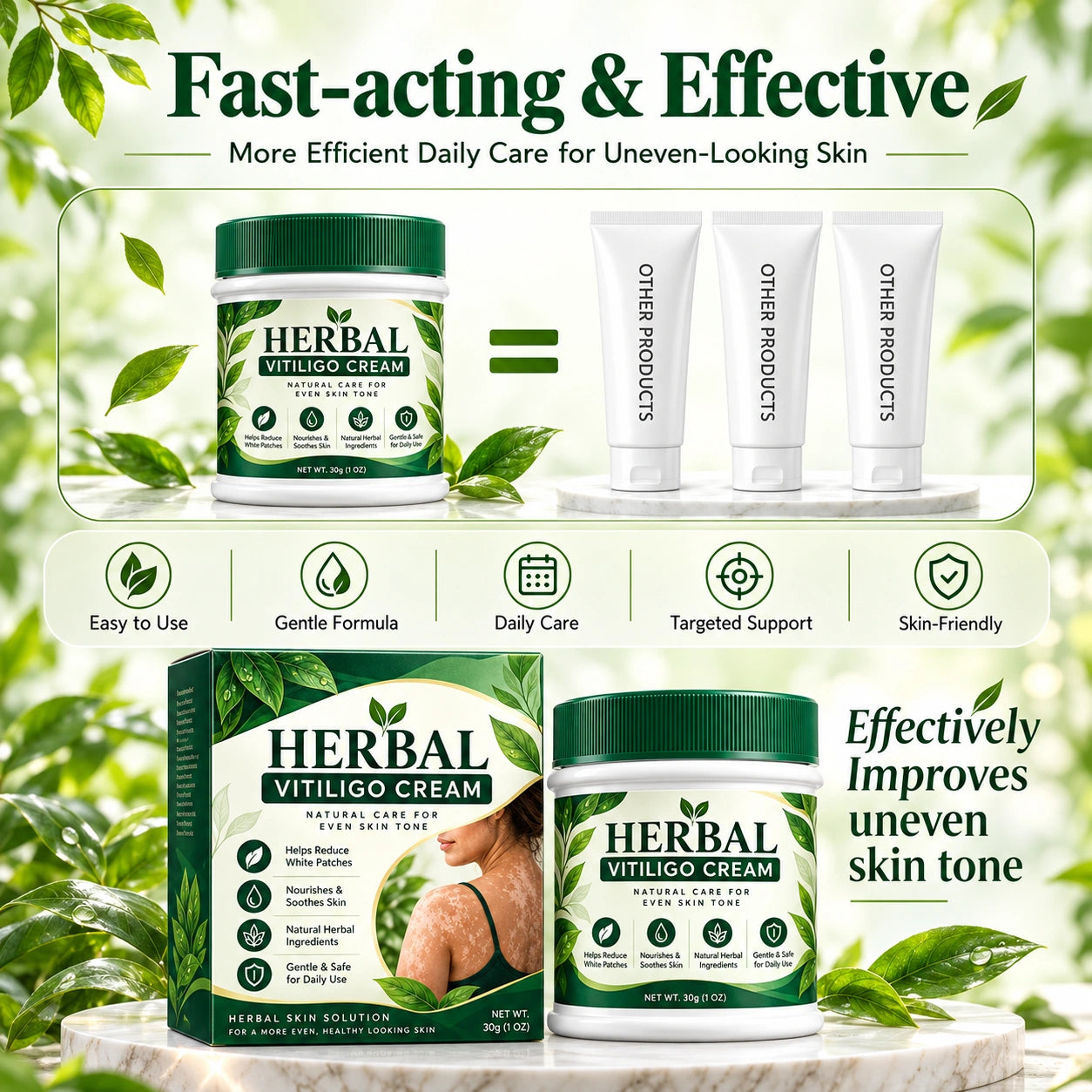
A care plan doesn't need to be complicated.
A consistent routine is easier to maintain when it's easy to follow. Rather than chasing overnight promises, focus on steps that fit the needs of your skin and your schedule.
Use a gentle cleanser
Wash without harsh scrubbing and pat dry.
Moisturize consistently
Use an appropriate product according to its instructions.
Protect exposed skin
Remember sun protection and seek expert advice when needed.
Three small steps. A more mindful habit.
Keep care uncomplicated and follow the directions on the product's own label for application frequency and quantity.
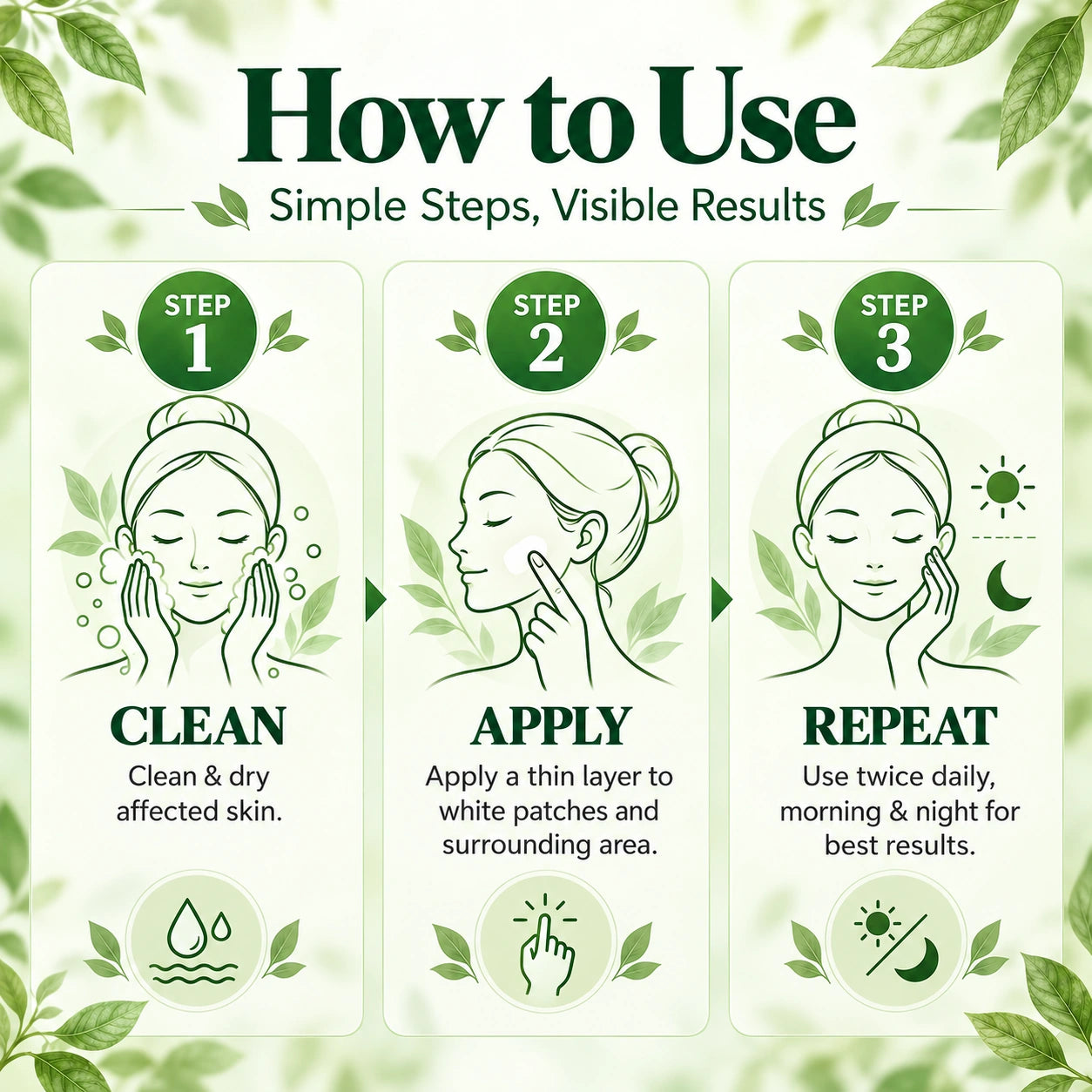
Prepare your skin
Cleanse gently, rinse well, and pat the area dry.
Use as labeled
Apply only as directed. Avoid the eyes and broken or irritated skin unless the product label or clinician advises otherwise.
Notice comfort—not a countdown
Watch how your skin feels, and discontinue use if irritation occurs. Never rely on a fixed "results by day 30" promise.
Give your skin the care and patience it deserves.
Whether your routine takes one minute or ten, consider how the product feels on the skin. A comfortable texture, clear labeling, and suitability for your needs are practical reasons to keep a skincare habit.
Comfort and confidence aren't measured by how quickly visible patches disappear. If a skin change is new, evolving, or concerning, seek individualized medical advice.
"Good skincare begins with understanding your skin—not changing who you are."
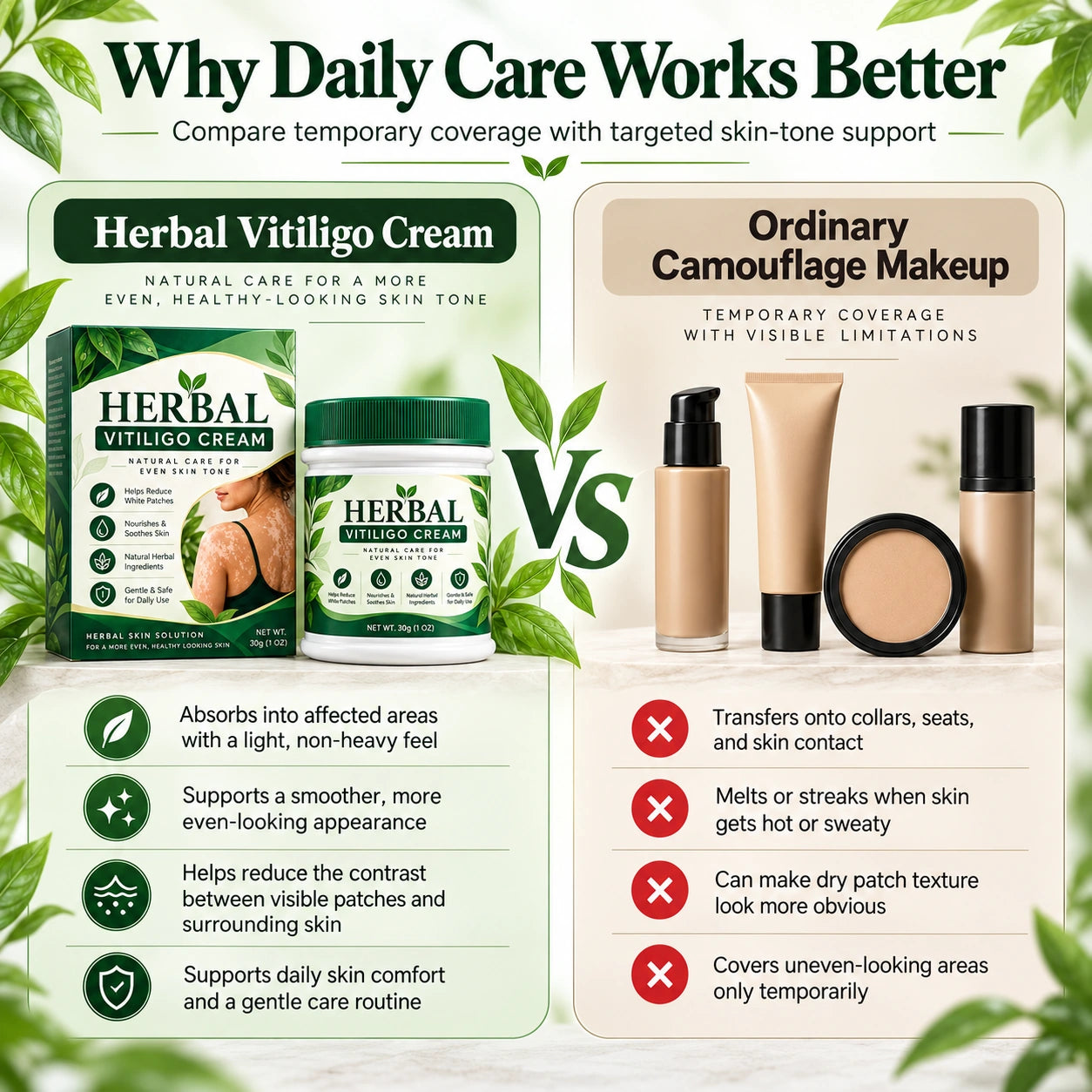
Cosmetic care and camouflage are different tools.
Some people choose moisturizers for daily skin comfort. Others use camouflage makeup to temporarily reduce the visible contrast of depigmented areas. These options have different purposes and can fit different routines.
- Moisturizers: support hydration and the feel of the skin; they do not inherently restore pigment.
- Camouflage cosmetics: create temporary visual coverage when applied.
- Medical care: a dermatologist can discuss therapies aimed at the condition itself.
Skin looks different in every light, setting, and moment.
The lightweight cream helps condition vitiligo-affected skin, soften dry white patches, improve rough-looking borders, support the skin’s natural recovery appearance, and gradually reduce the harsh visual contrast between lighter areas and surrounding skin.
Its smooth texture spreads easily across the face, neck, hands, arms, elbows, knees, legs, and other external body areas, making it easy to provide consistent targeted care morning and evening. Simple, targeted, and botanical-focused, Supports a daily routine designed around the visible needs of vitiligo-affected and uneven-looking skin.
The visual is illustrative. It should not be interpreted as a documented treatment response or guaranteed appearance change.
There is no single right way to feel confident in your skin.
Some days you may want to cover visible patches; other days you may prefer not to. Both choices are valid. Skincare is about taking care of yourself, not meeting someone else's idea of an ideal complexion.
Make decisions based on comfort, preferences, and good information—rather than a dramatic day-by-day transformation in an advertisement.
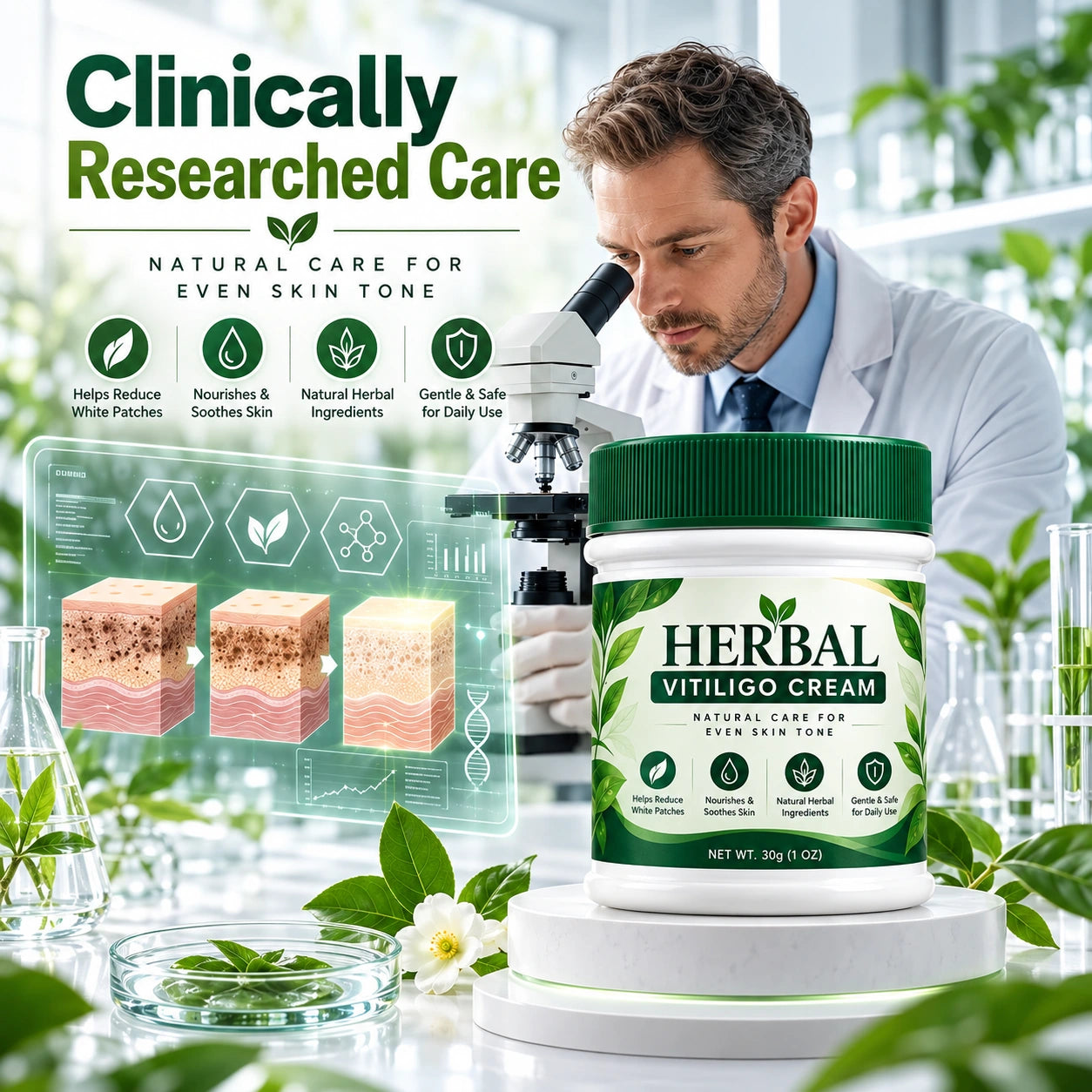
What does "clinically researched" actually mean?
“Skin affected by vitiligo deserves special attention. In my practice, I emphasize the importance of maintaining skin hydration, supporting the skin barrier, and choosing gentle products that fit each individual's needs.
HERBAL VITILIGO CREAM is intended as a daily skincare option. Its suitability depends on the individual's skin and the product's verified ingredients. It should complement, not replace, appropriate dermatological care.
- Does the research test this exact finished formula?
- Were outcomes evaluated fairly and with appropriate controls?
- Can the findings be checked through a credible source?
Feel Good in Your Skin.
Gentle, thoughtful skincare for uneven-looking skin and everyday confidence.
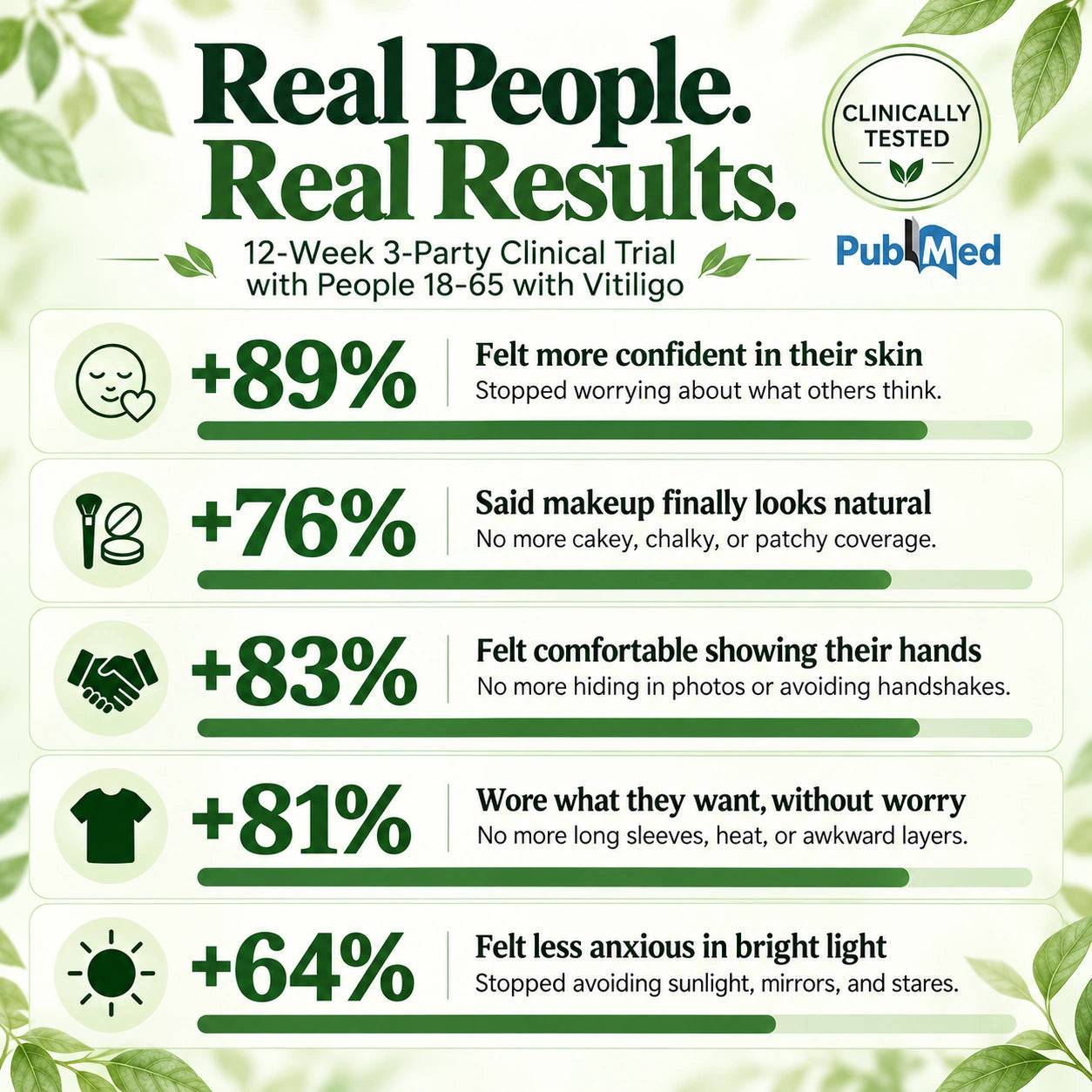
For that reason, the numbers and badges in this image must not be presented as verified evidence of this cream's effectiveness. Claims should be independently checked and supported before use in commercial advertising.
Good questions deserve clear answers.
Here are the essentials to consider before adding an herbal cream to your personal skincare routine.
Can an herbal cosmetic cream cure or reverse vitiligo?
It should not be assumed to. Vitiligo is a medical skin condition. A cosmetic moisturizer may support skin hydration or comfort, but no evidence supplied here establishes that this cream restores pigment, treats vitiligo, or cures the condition. Ask a dermatologist about evidence-based treatment options.
What is the difference between daily skincare and camouflage makeup?
Daily skincare focuses on activities such as cleansing and moisturizing. Camouflage makeup temporarily alters the visible appearance of an area. Both can be personal choices; neither should be confused with a medically established treatment for vitiligo.
How often should I apply the cream?
Follow the instructions on the actual product packaging. The frequency displayed in an illustrative graphic is not a substitute for the tested and approved directions for the exact formula you purchase.
Can I use it on my face, hands, neck, or body?
Only use the cream on areas expressly permitted by its label. Facial and delicate areas may be more sensitive. Avoid the eyes and irritated or broken skin unless a clinician directs otherwise. Ask a professional if you are unsure.
Are the ingredients in the botanical image the actual formula?
Not necessarily. The botanical artwork is promotional illustration. Always check the finished product's official ingredients or INCI label rather than relying on pictures of aloe, neem, turmeric, licorice, or other plants.
When can I expect visible changes?
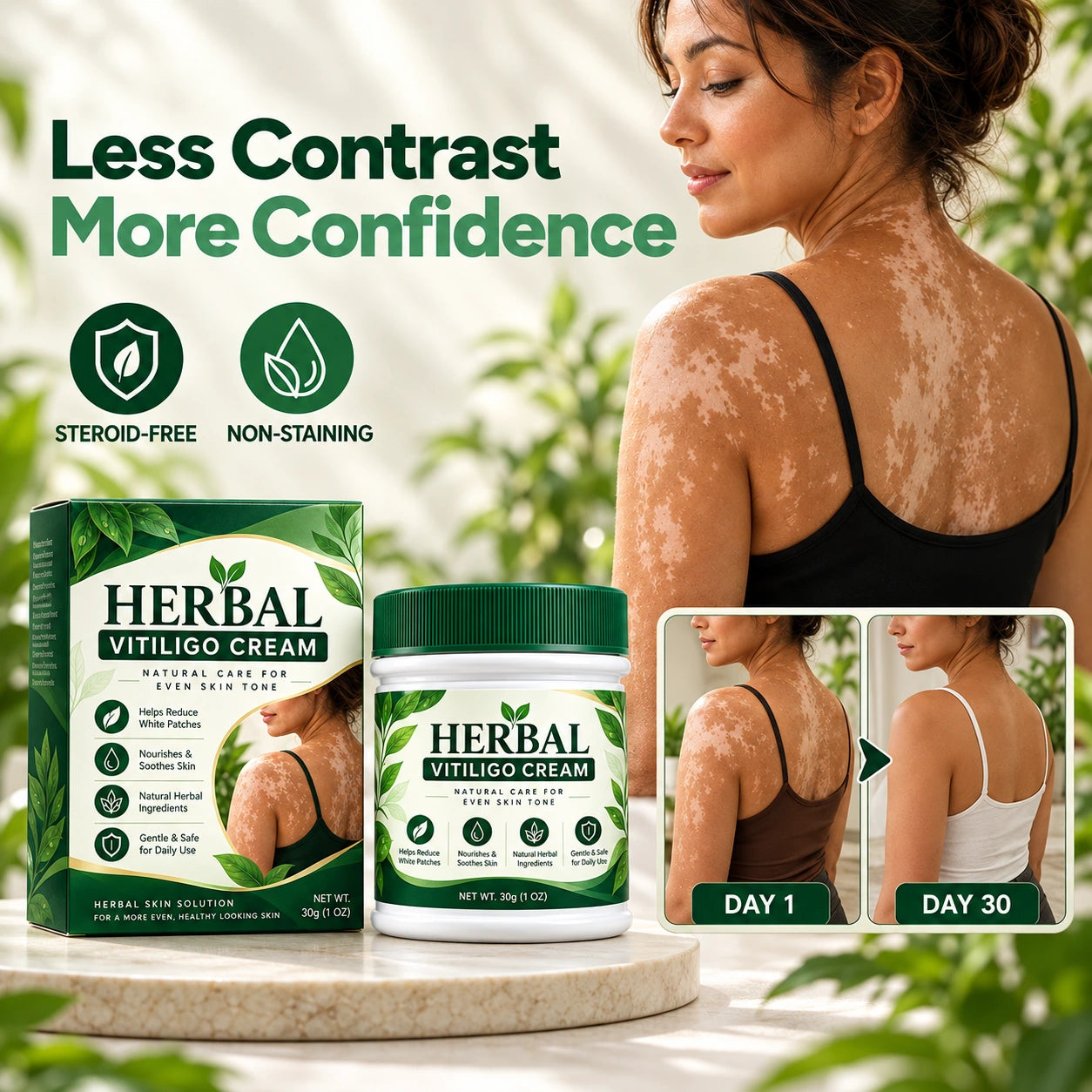
There is no reliable timeline established by the materials provided. Day-count transformation images are illustrative and must not be treated as guaranteed outcomes. Speak with a dermatologist about what results are realistic for your condition.
Do I still need sunscreen?
Sun protection is important, particularly because depigmented skin may burn more easily. Consider broad-spectrum sunscreen and protective clothing appropriate to your situation. A cosmetic cream does not replace a sunscreen unless the actual label specifically establishes tested SPF protection.
Can I combine cosmetic skincare with dermatologist treatment?
Many people use basic skincare alongside medical management, but suitability depends on the ingredients, the treatment, and your skin. Check with your clinician before combining products on sensitive or actively treated areas.
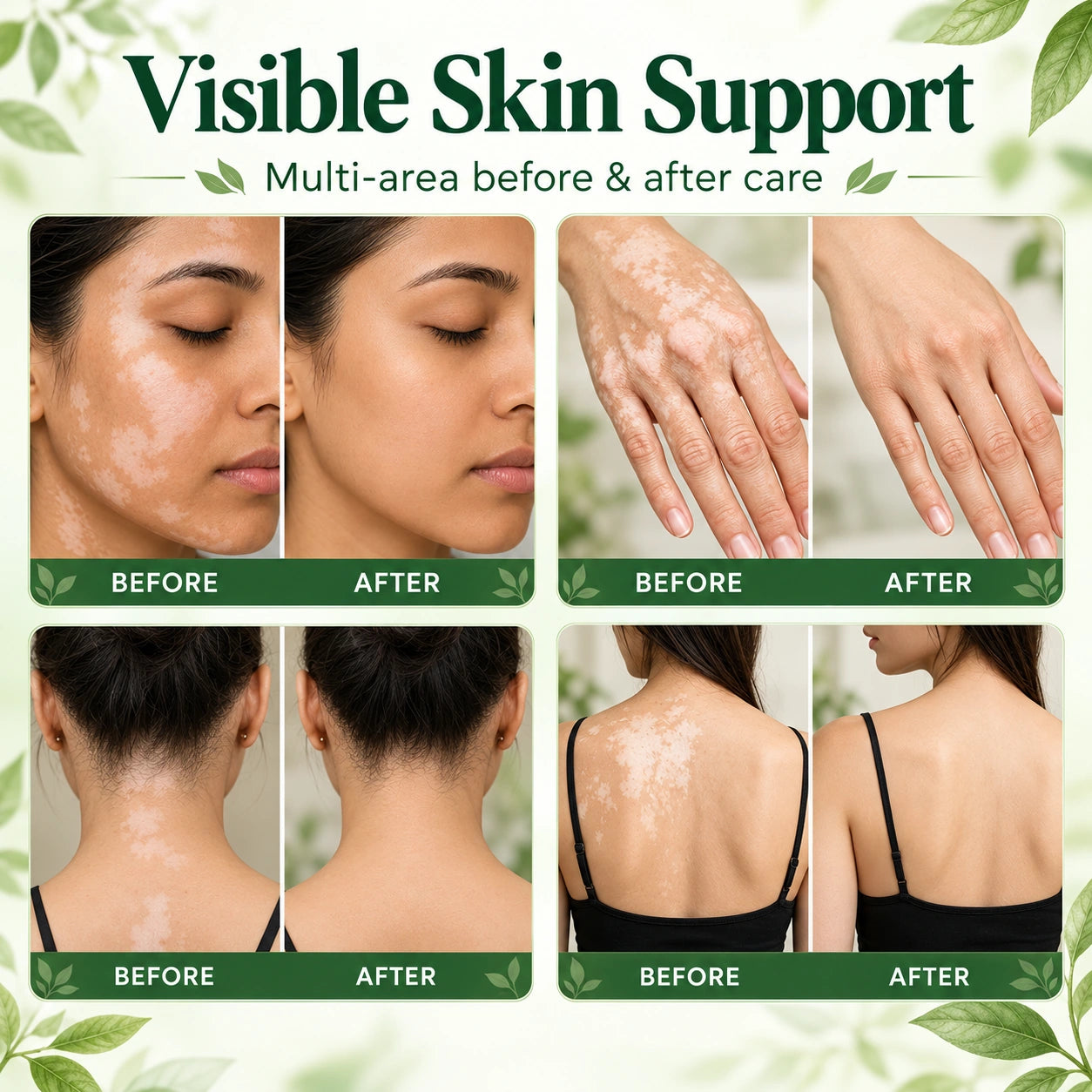
Are the before-and-after images or study percentages verified?
No supporting clinical reports or independently verified before-and-after records accompanied the supplied graphics. They have been labelled as illustrations or unverified supplier materials and should not be used to promise a result.
Educational information only; not medical advice. Vitiligo diagnosis and treatment should be discussed with a qualified clinician. Supplied marketing diagrams, percentages, research badges, and transformation visuals have not been independently validated in preparing this page.